
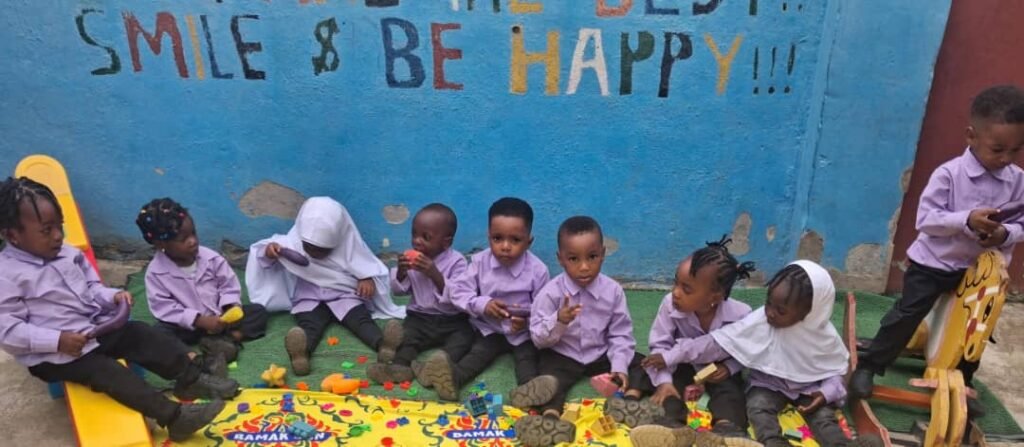
Safeguarding children and young ones from sexual abuse, neglects and all forms of harm and protecting their welfare, is the fundamental right of every child in Nigeria. So many children and young ones suffer bullying, neglect, sexual abuse in the hands of some teachers and fellow class mates. This destroys their dignity, self esteem, academic performance and cause them to become nuisance in the society.
As leaders, teachers, and all stakeholders in this sectors , safeguarding is everyone responsibilities and so it our paramount duty, to embrace it as a core pillar of our institutions.
What is safeguarding
Safeguarding is the process and procedures schools put in place to ensure the safety and welfare of children and young people from physical ,emotional, sexual abuse, neglect and other forms of harm, within the school or outside the school environment.
Anyone that works for the school or come in contact with the pupil within the school premises or have contact with them during other post school program with other pupil should not cause harm to them.
This concept entails a wide range of procedures and policies, from background checks of staff or consultants during recruitment, to online safety protocols and anti-bullying measures.
Safeguarding as a way of life
Any academic institutions that does not care for this vulnerable ones , is on its way to doom. This is because prevention is better than cure. It is our responsibilities to abide by practices that minimize risk, and to speak up against suspected wrongdoing or threats against our children or youth.
BENEFIT OF HAVING SAFEGUARDING POLICY AND PROCEDURES IN OUR SCHOOLS
Moral Duty: Children and youths are among society’s most vulnerable. It is our moral responsibilities to ensure they learn and grow in environments that prioritize their safety. Promote safe organizational culture where everyone is treated with dignity and respect, free from bullying, harassment and discrimination.
Legal Obligation: Nigeria law have clear legislation in place regarding the protection of children. The Child Right Act (CRA)2003 was enacted to domesticate the Convention on the Right of the Child and constitutionally protected right to Nigeria children. It provide a legal framework to protect children from abuse, exploitation and discrimination while promoting their survival, development and participation in society. Schools are mandated to comply, making safeguarding not just a moral but also a legal obligation.
Promoting Positive Outcomes: A safe environment fosters trust, which in turn promotes learning and positive developmental outcomes for students. When the learning environment is safe, we produce children that are bold, happy and ready to impact the life of other kids positively. Marianne Williamson states give what we do not have: we cannot bring peace to the world if we ourselves are not peaceful.”The Bible reinforces this idea. Proverbs 25:14 states, “Whoever falsely boasts of giving is like clouds and wind without rain”, highlighting that claiming to give what one lacks is empty and deceptive.
EFFECT OF NOT HAVING A POLICY IN A SCHOOL
- Lack of policy can negatively affect the school reputation. School may face legal action or lost of public trust once there is cases of abuse and harm in the school.
- Growth of children who are victim of abuse can be affected, which includes chronic stress, cognitive impairments, and increased risk of mental health disorders
- Research has shown that people who experience some form of abuse as a child, have the tendency of becoming an abuser in future.
- Result to poor academic performance of our children who are victims of abuse.
- Expose teachers, children and the institution to harm
- Legal consequences; schools that fails to promote safe culture will face the law when there is any breakdown on issues of abuse. Ignorance of the law is no excuse.
Procedures and processes Required to safeguarding our schools
- Through constant sensitization of the teachers, volunteers, pupil, parent and all those that come in contact with this children and its teachers.
- Have policies and procedures that is clear and concise for everyone to understand, that guides the conduct of staff , volunteers , students and parents within and outside the school environment.
- Have a confidential reporting channel in place that is accessible by all
- And when cases of abuse thus happens, to look into it without exposing the victim to more harm, example system that is survivor centre approach.
- Having informative communication tools that informs and reminds all, ,on it safeguarding commitment.
- Collaborate with government authorities and other private agencies in reporting issues of sexual abuse and harm that happens in school, for immediate support.
- Foster safe culture: Encourage a culture of openness, where staff and students feel comfortable to report and discuss concerns of abuse or harm without fear of retribution.
TYPES OF ABUSE & HARM IN THE SCHOOL
- Physical Abuse: Refers to any injury or pain inflicted on someones body.
- Sexual Abuse: Unwanted sexual activity by perpetrators who use force, threats or take advantage of a victim who is not able to give consent
- Exploitation: Misusing position or power or trust to exchange goods, services or money for sex
- Emotional Abuse: Deliberately causing mental harm to an individual
- Neglect: Failure to provide a child or at risk adult its basic need and failure to prevent them.
- Self Abuse
- Bullying: Bad, abusive, or a type of bullying threatening behaviour related to a person’s that intends to make an identity e.g age, gender, individual or group of ethnicity, HIV status or individuals feel afraid, disability humiliated or ashamed.
- Harassment: Is unacceptable or unwelcome sexual behaviour that takes place between staff in the workplace
- Discrimination: Treating people unfairly because of their identity or who they are e.g age, gender, ethnicity, HIV status or disability or pregnancy.
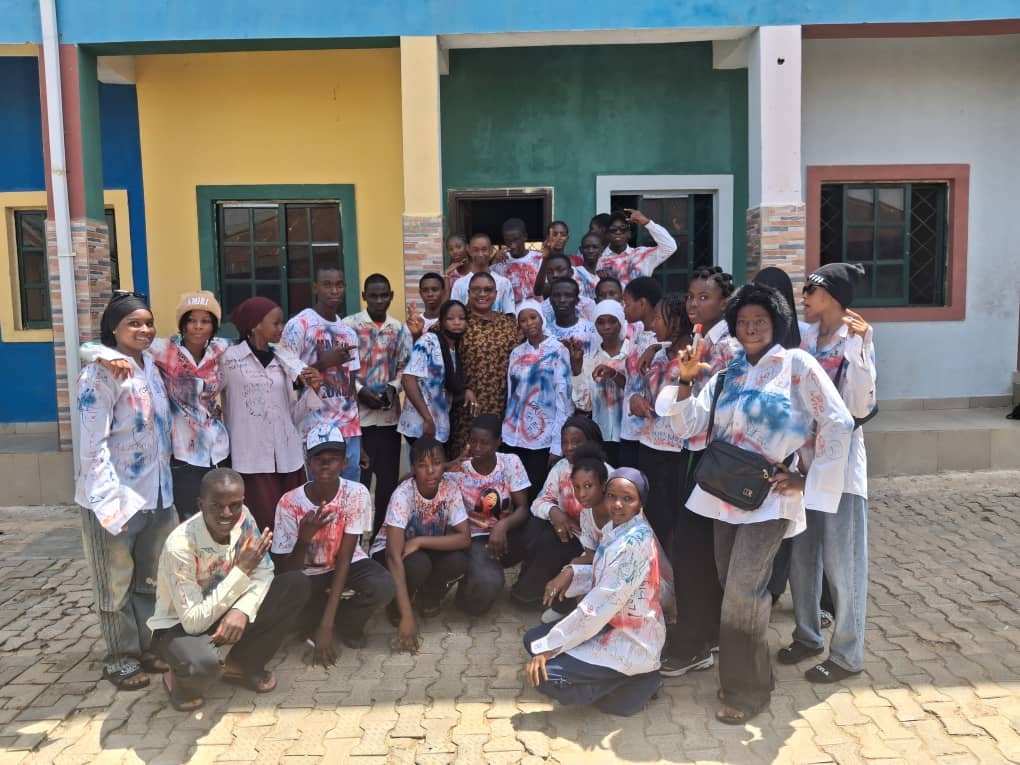
With all this clearly stated, it is in this regard that the Leadership of Destiny Kiddies Int. School, Dakwa. Ambassador Hope Ezekaka, took the bull by the horn, insisting that all her staff and volunteers undergoes three days intensive training by Ezema Ogochukwu Dorathy, a consultant with Resource and Support Hub, UK.
